Wireless Pressure Telemetry
Custom ESP32-S3 board streaming fuel and oil pressure over BLE/Wi-Fi, with a protected 12 V automotive input designed toward ISO 16750-2 and ISO 7637-2.
I’m Reiber Arias, an electronic engineer. I write software and embedded firmware and design the electronics that run it — with 10+ years inside the electrical systems of modern vehicles.
Two sides of the same work: software on one side, firmware and electronics on the other.
Android, iOS, desktop and web apps with Kotlin, Jetpack Compose / Compose Multiplatform and Flutter; Java backends, MySQL databases and AI features — including the apps your hardware talks to.
C/C++ on STM32 and ESP32 — CAN, CAN-FD, LIN, UDS, SPI, I²C, BLE and Wi-Fi, bare-metal or RTOS.
Schematics and layouts in KiCad with protected 12 V power, filtered sensor inputs and test points.
Sensors, actuators and control loops — automatic control systems that measure, decide and act.
From breadboard to assembled boards: bring-up, bench testing and iteration until it behaves like a product.
The foundation under everything: a decade reading vehicle networks, signals and faults.
Power distribution, lighting, comfort, security, wiring faults
CAN, CAN-FD, LIN — module communication and network faults
Cameras, radar and driver-assist system diagnosis
12 V systems, charging, parasitic draw, power management
Hybrid and electrified vehicle HV systems
Sensors, actuators and control modules across the vehicle

Custom ESP32-S3 board streaming fuel and oil pressure over BLE/Wi-Fi, with a protected 12 V automotive input designed toward ISO 16750-2 and ISO 7637-2.

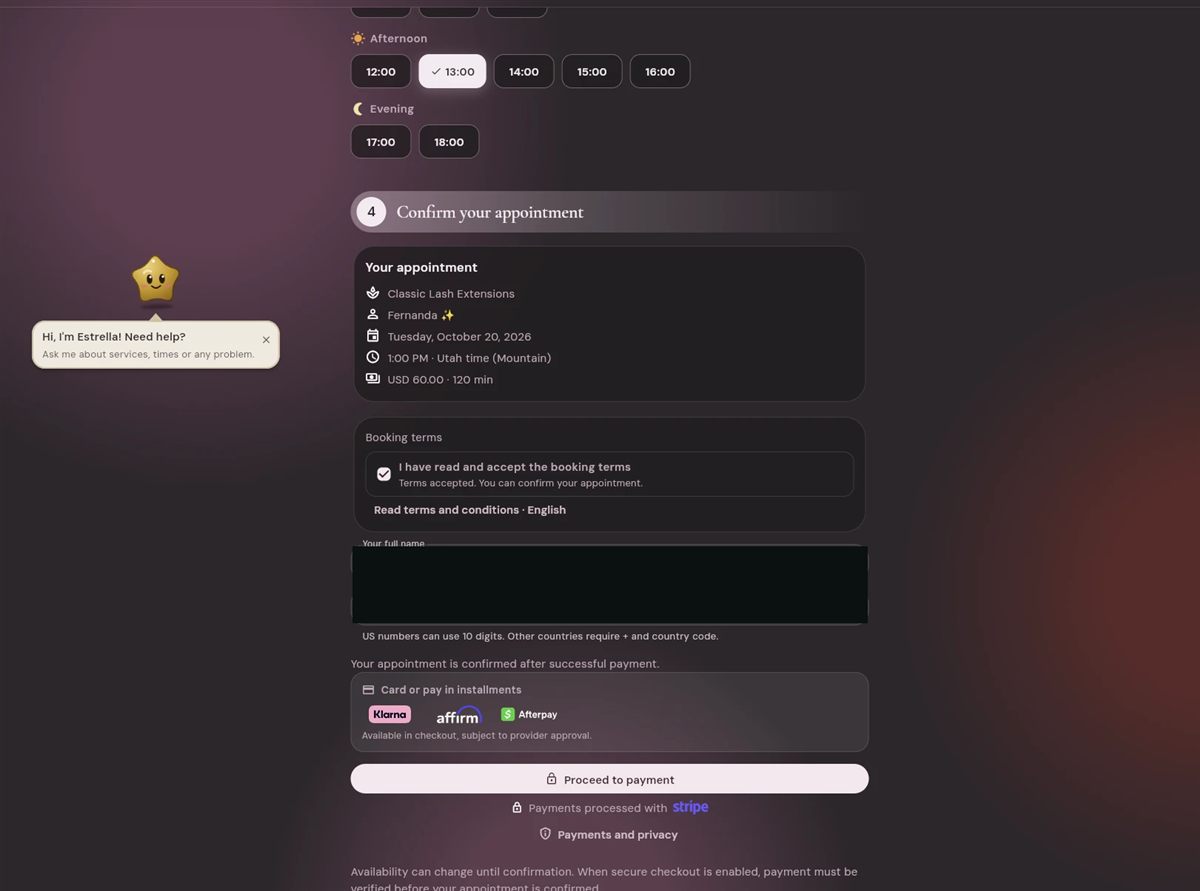
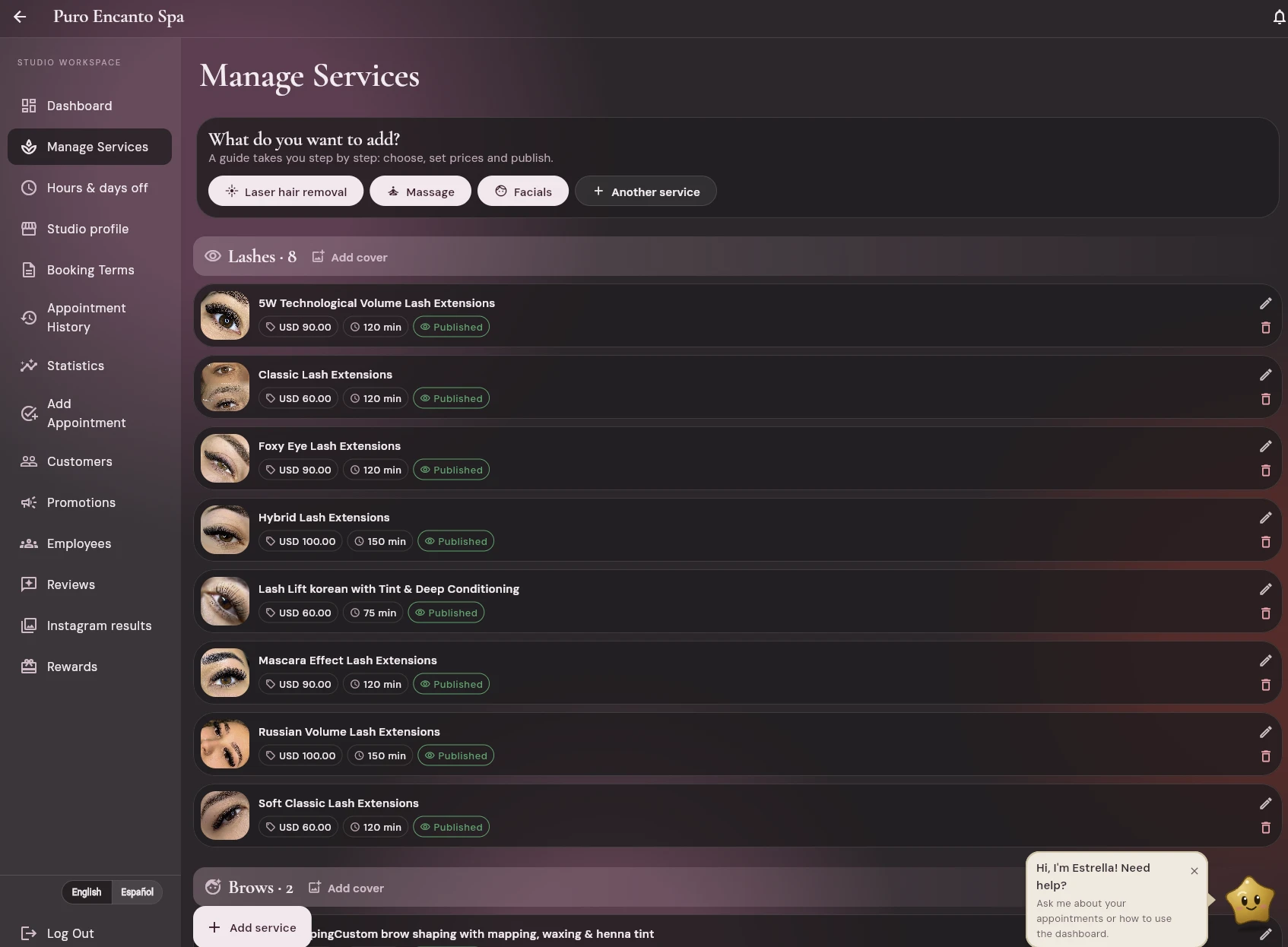
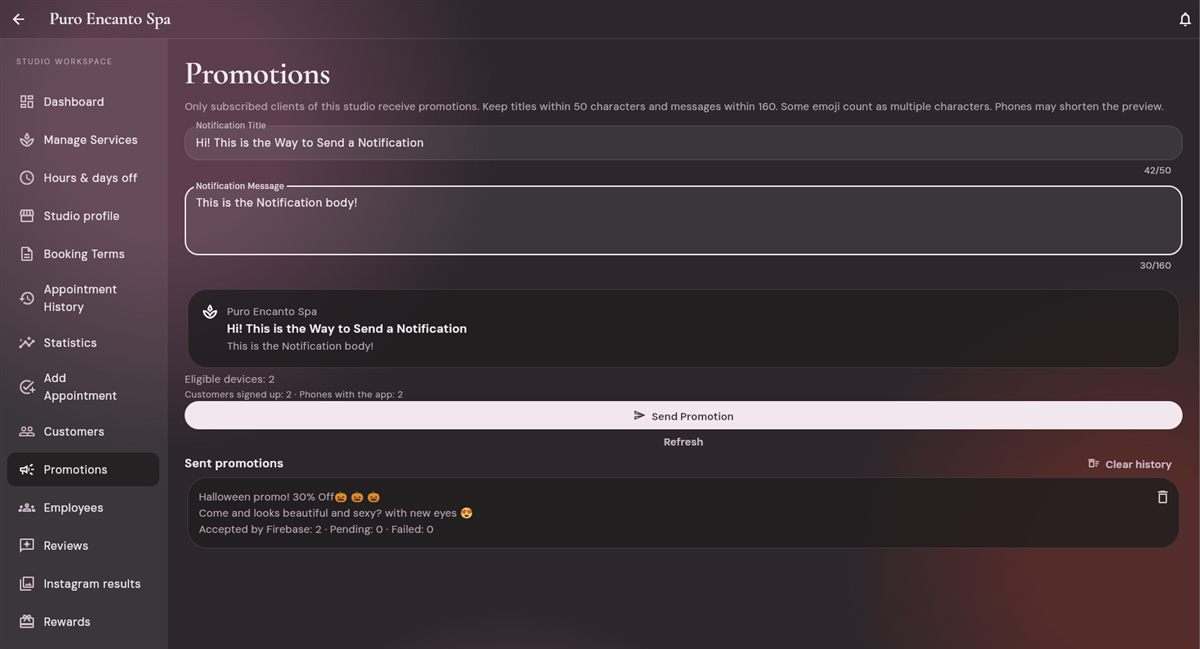
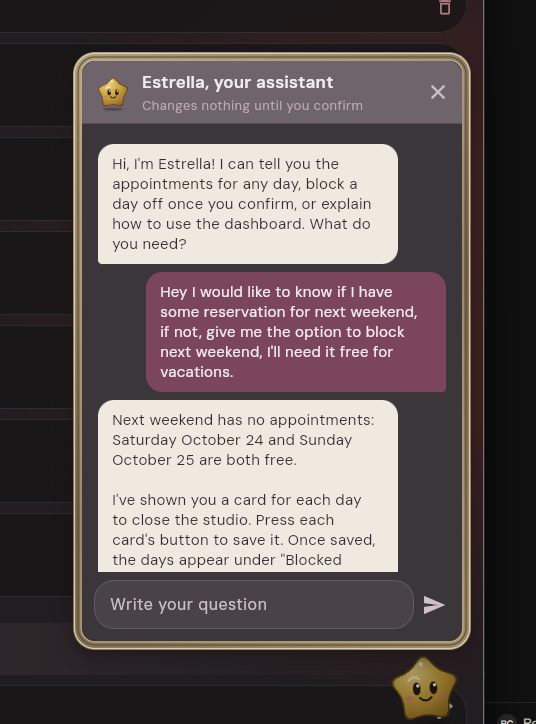
Booking, payments, rewards and an AI assistant for a beauty studio, on one Flutter codebase and a Spring Boot API.
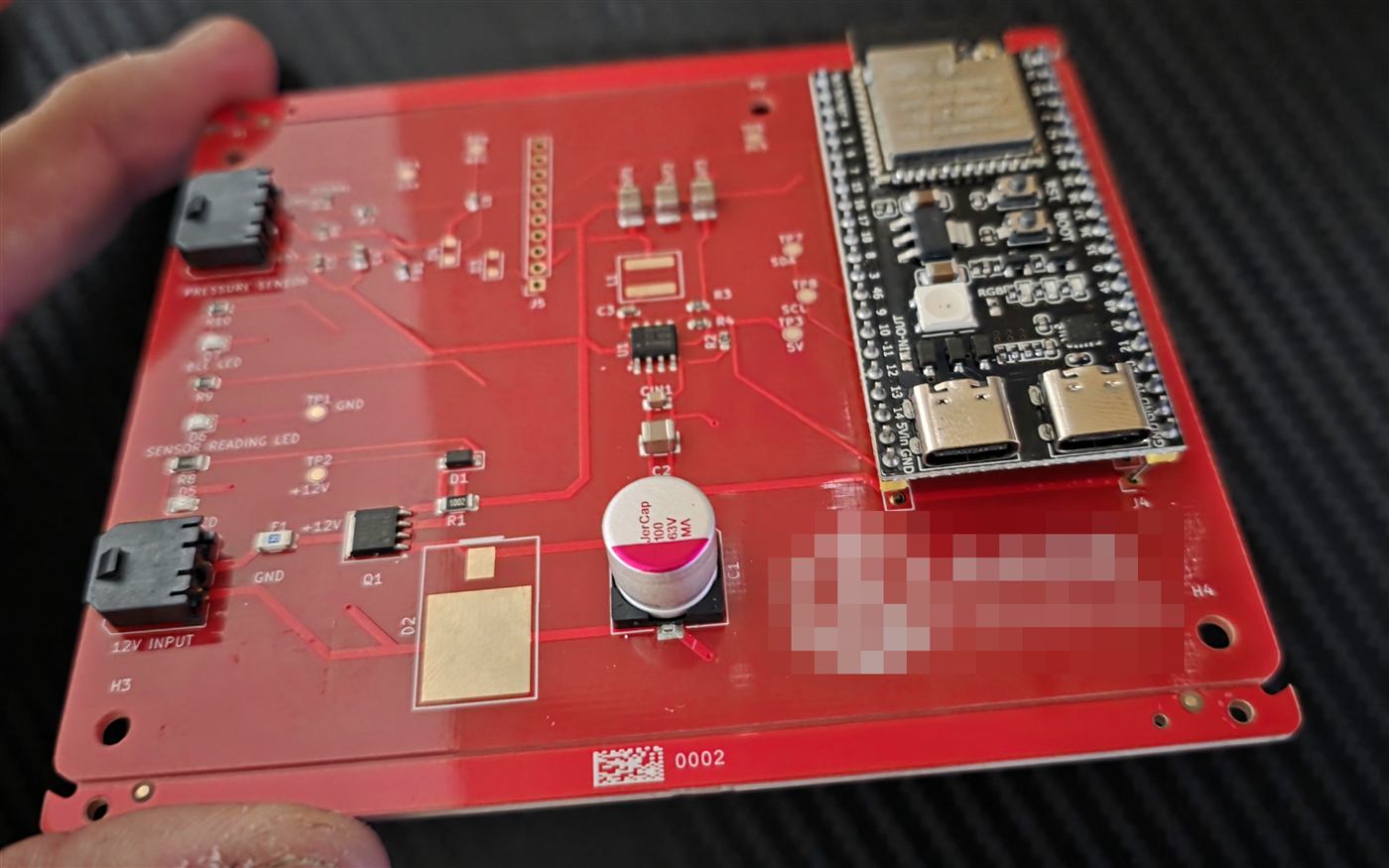
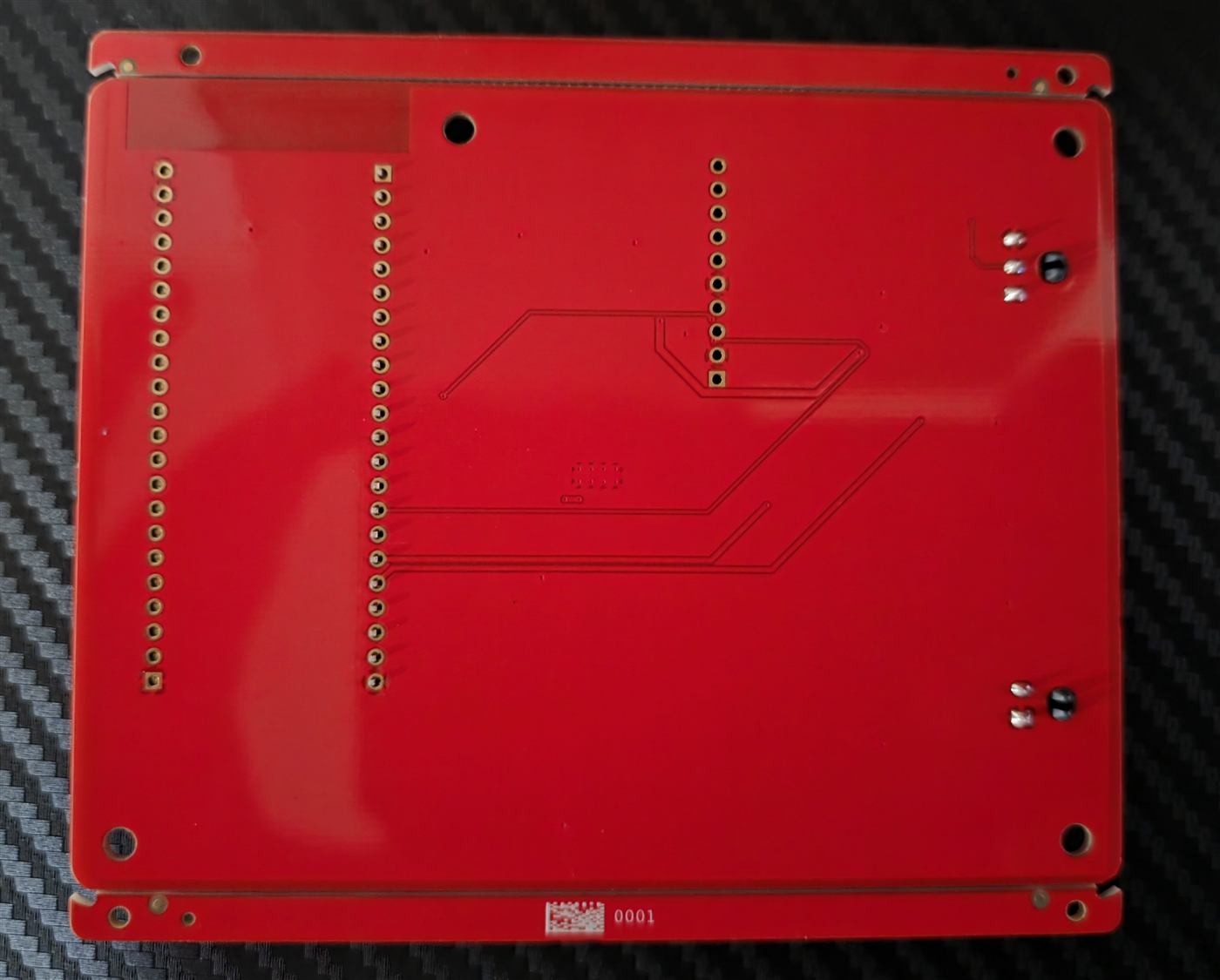
A custom ESP32-S3 board that measures fuel and oil pressure in a 12 V vehicle and streams it over Bluetooth and Wi-Fi to a mobile app. The project covers the board, a CAD enclosure and the companion app.


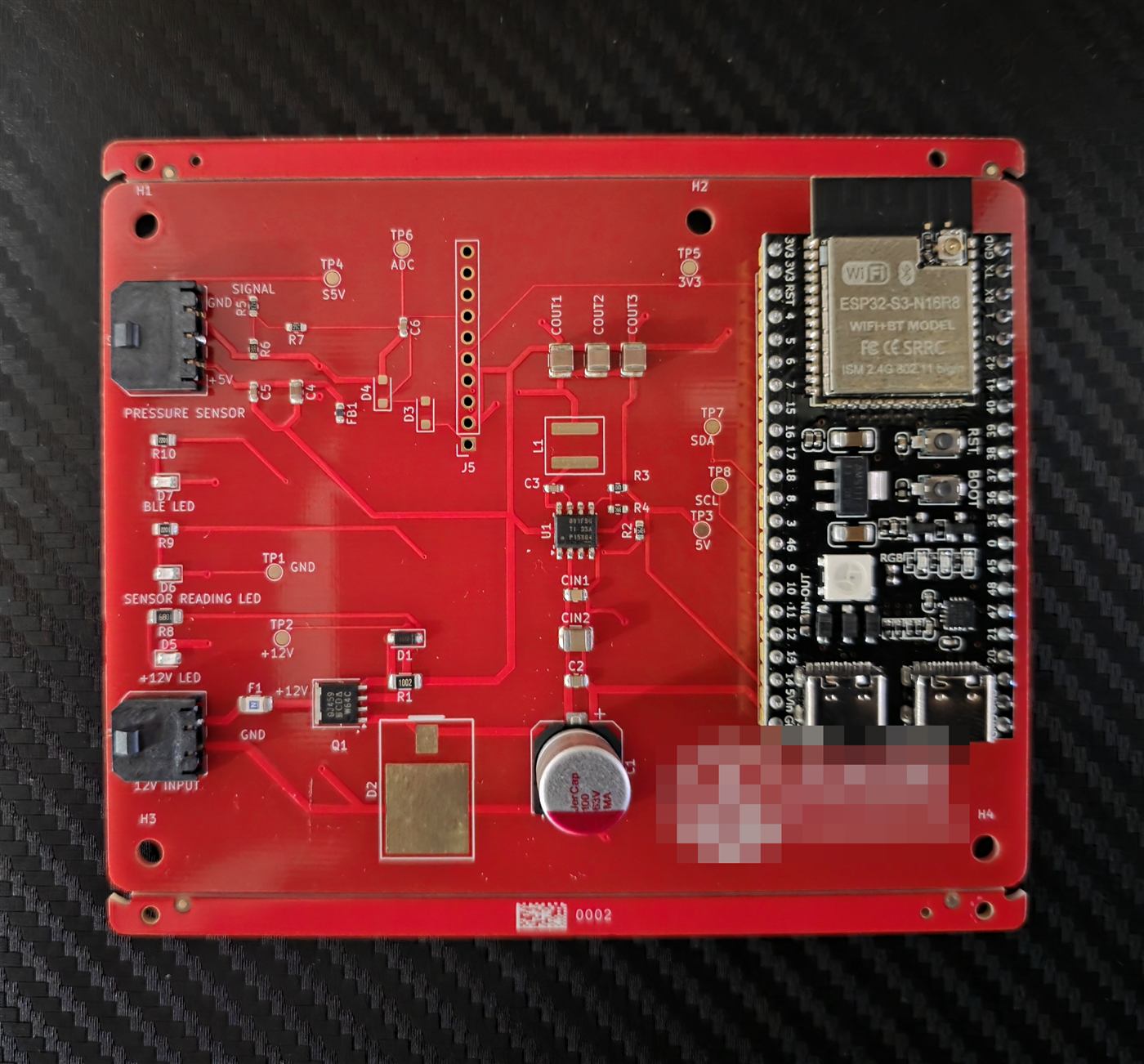
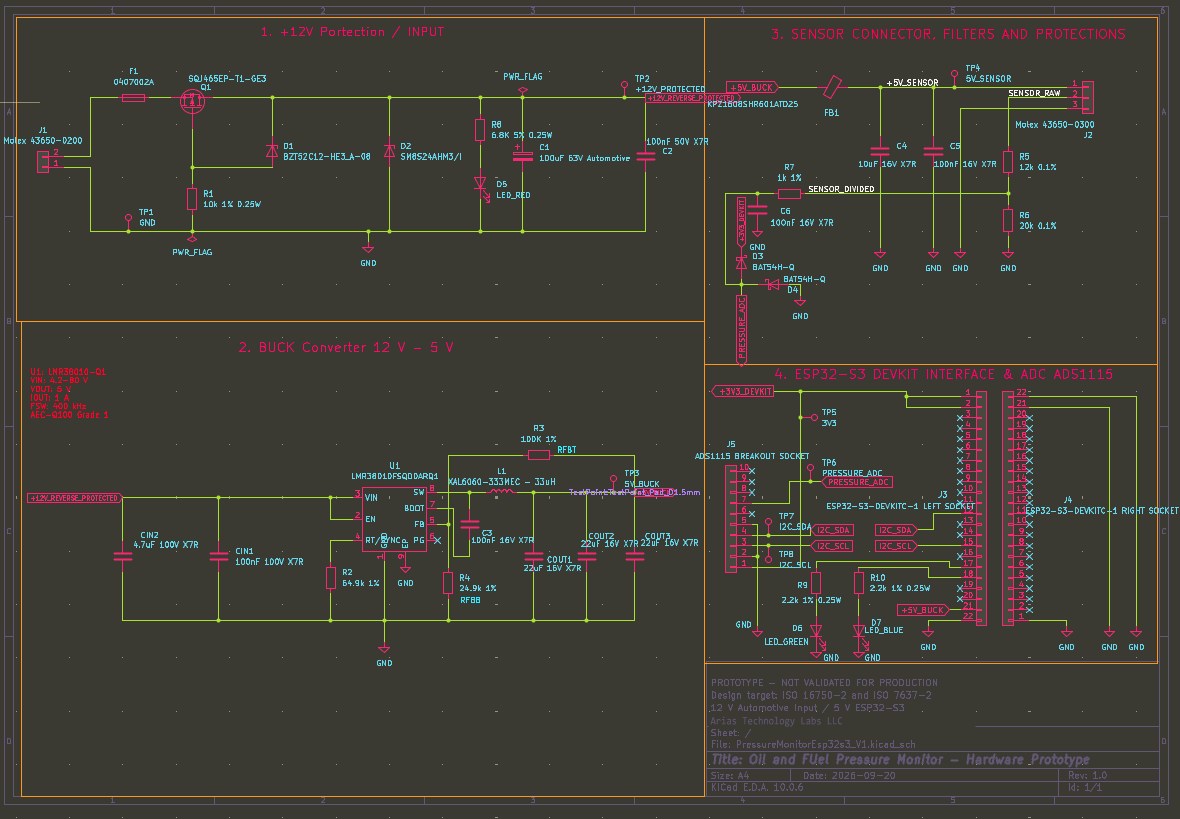
The schematic has four blocks: 12 V protection and input, designed toward ISO 16750-2 and ISO 7637-2; a 12 V to 5 V buck converter built around an LMR38010; a sensor connector with filters and protections; and the ESP32-S3 DevKit interface with a socket for an ADS1115 ADC breakout. An external ADC is planned.

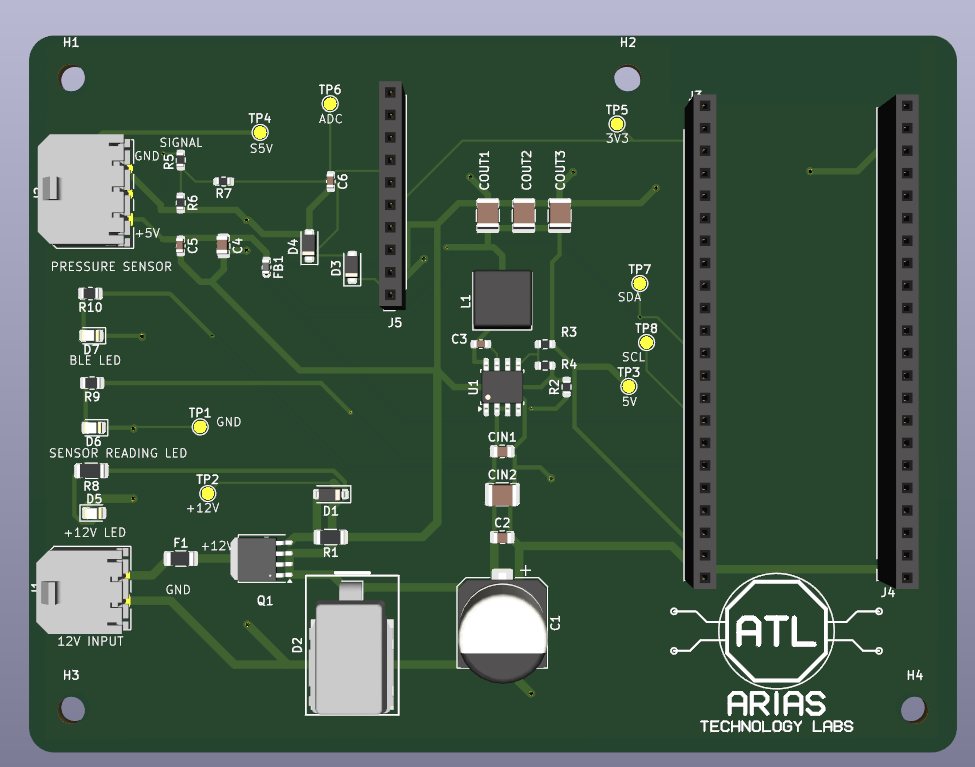
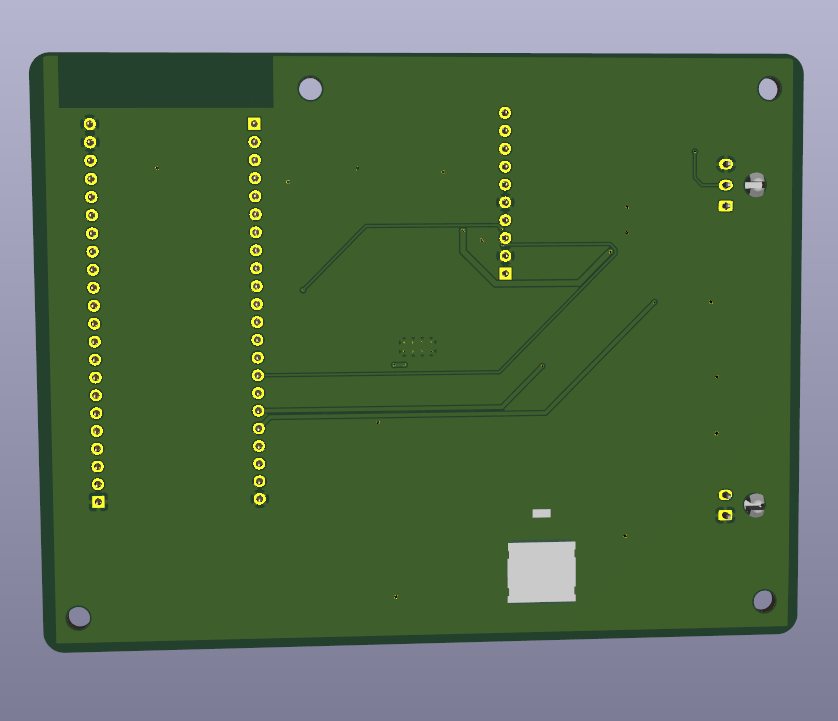
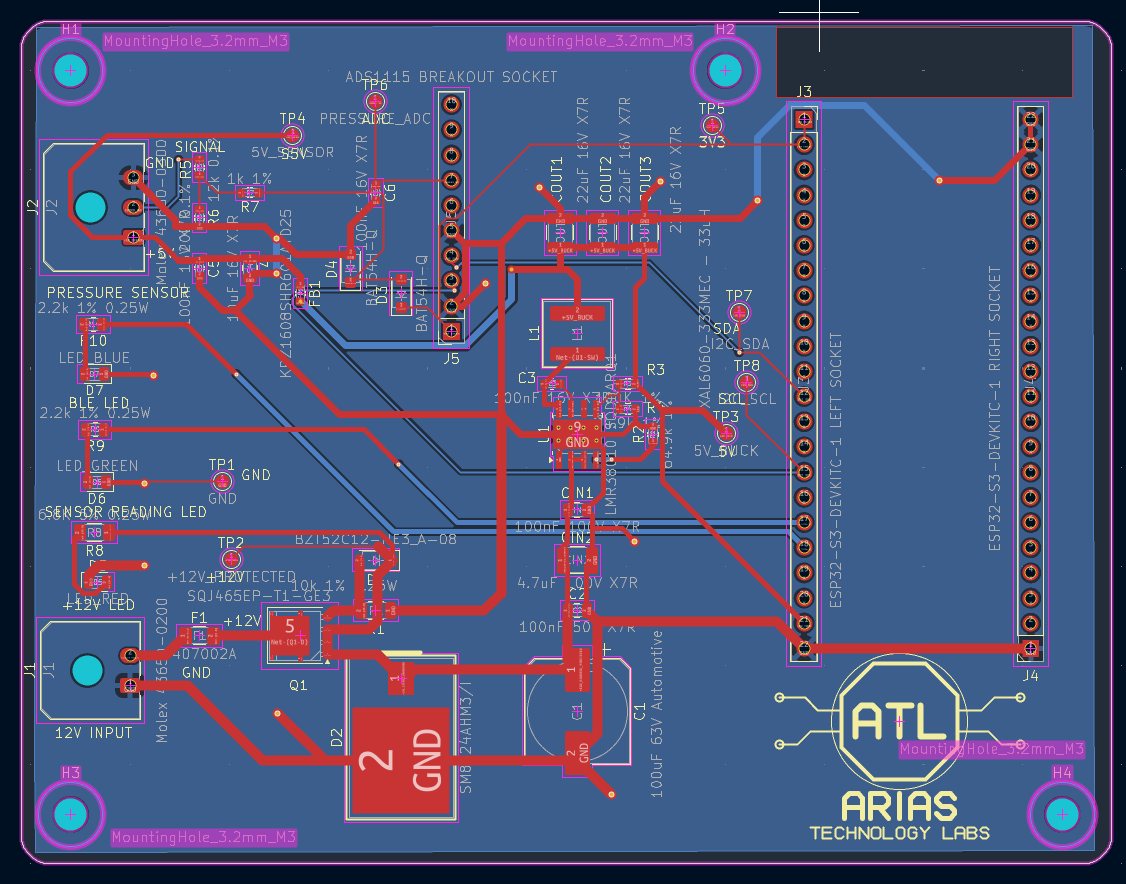
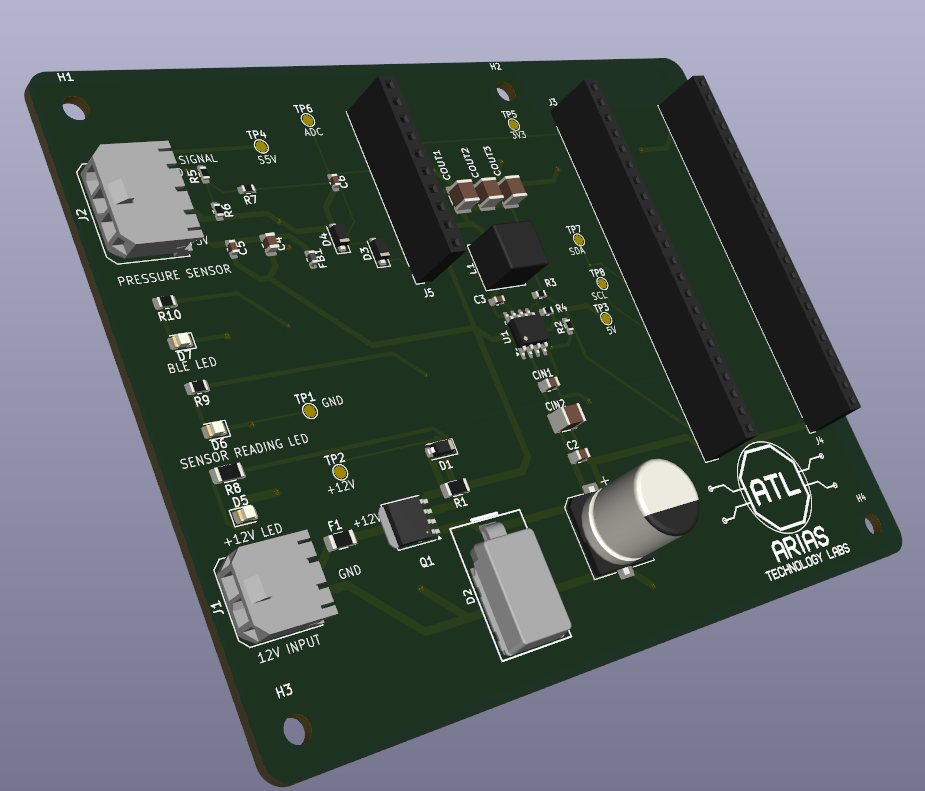
The layout in KiCad, with test points, mounting holes and the Arias Technology Labs logo on the silkscreen, and its 3D render.


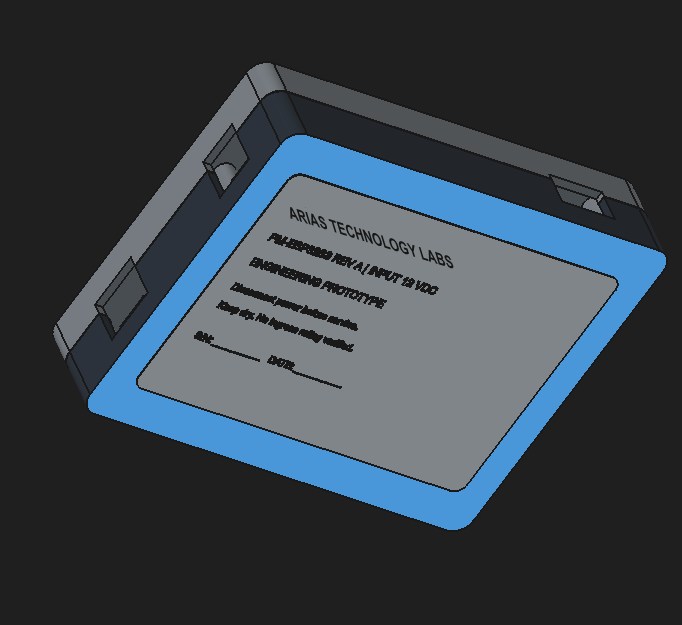
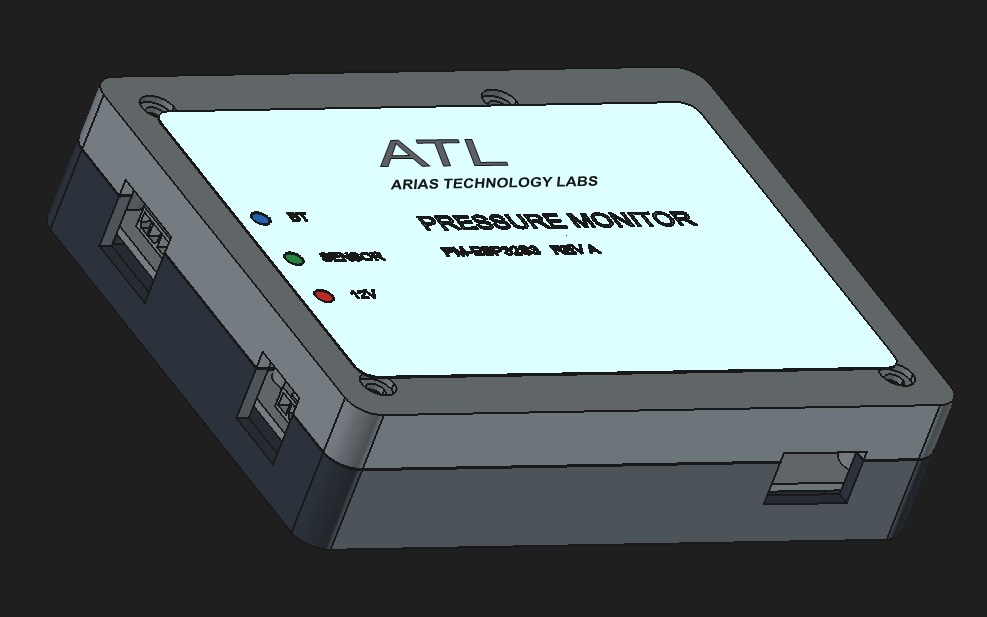
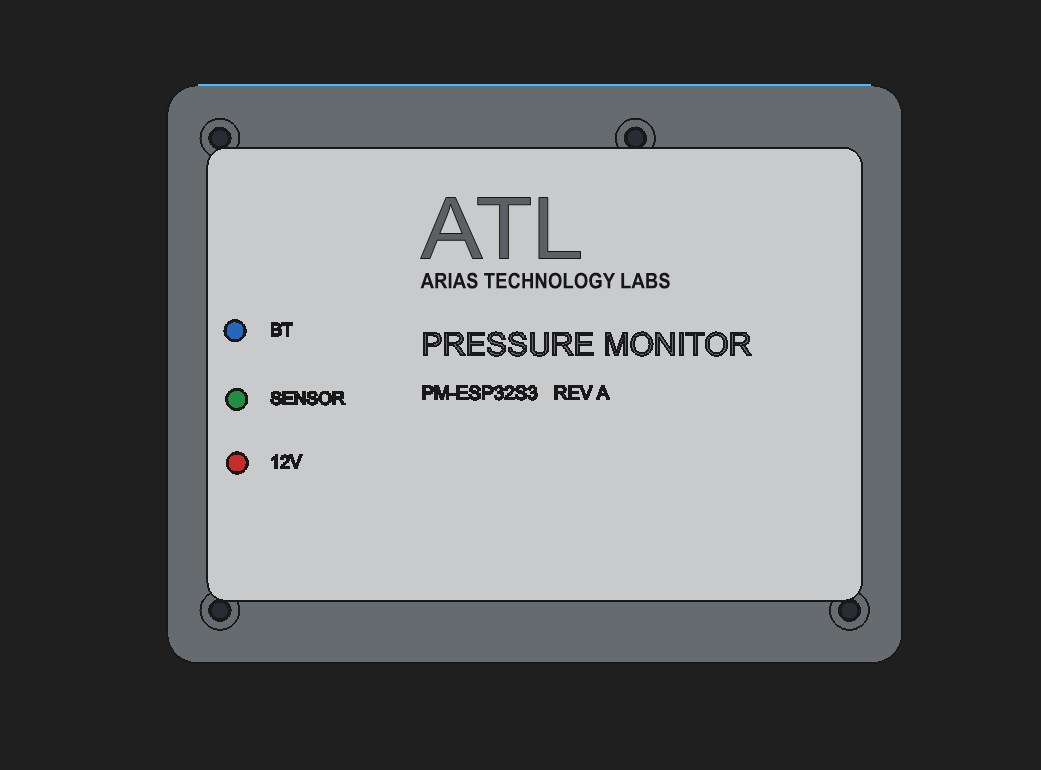
A CAD enclosure for the board: a lid with three status LEDs, for Bluetooth, sensor and 12 V, and cable openings on the side.


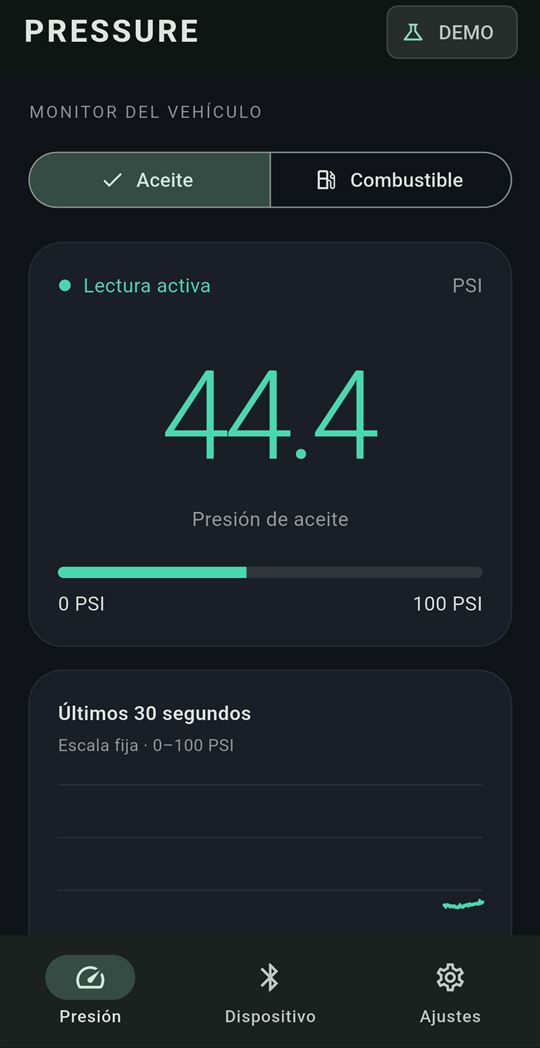
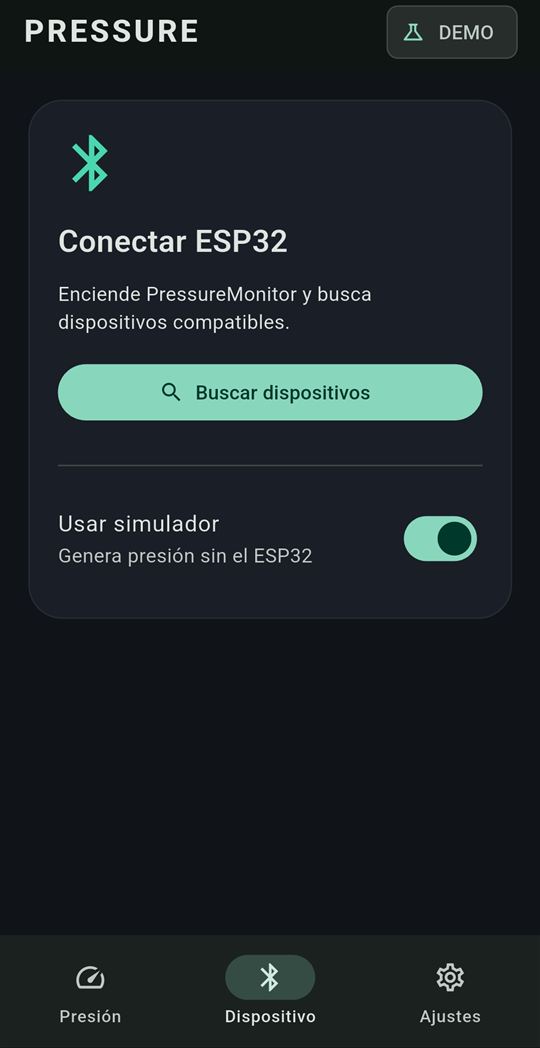
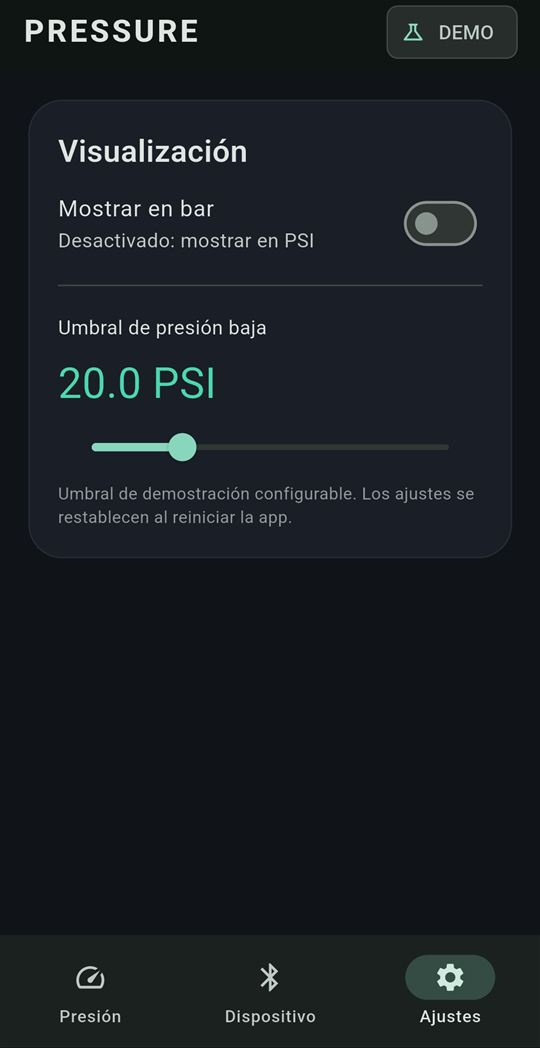
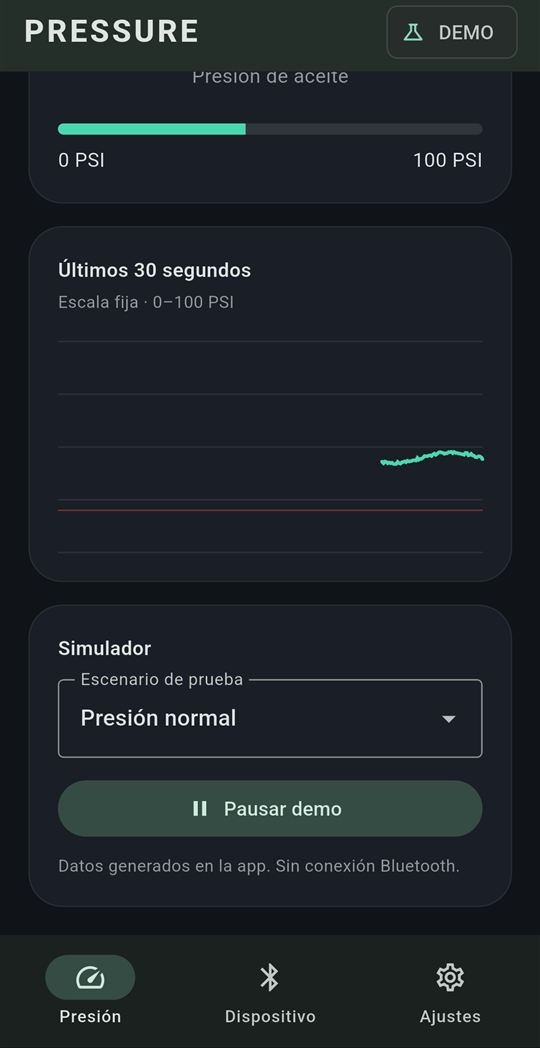
A companion mobile app reads the board over Bluetooth and shows oil or fuel pressure in PSI or bar, with a 30-second graph and a low-pressure threshold. These screens come from its demo mode, which uses simulated data with no board connected.


Prototype on a custom PCB designed in KiCad, not yet validated for production. Measurements will be added.


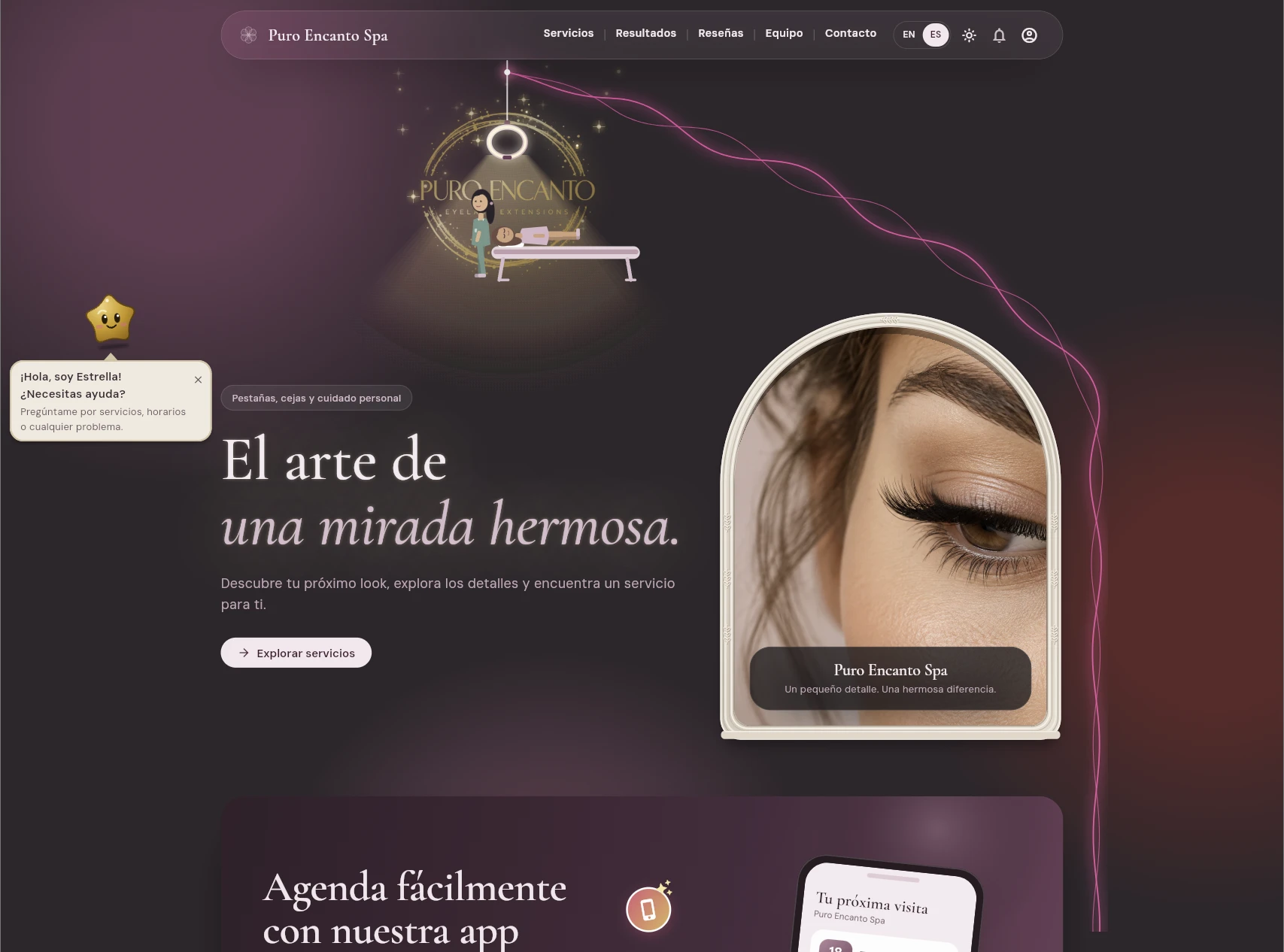
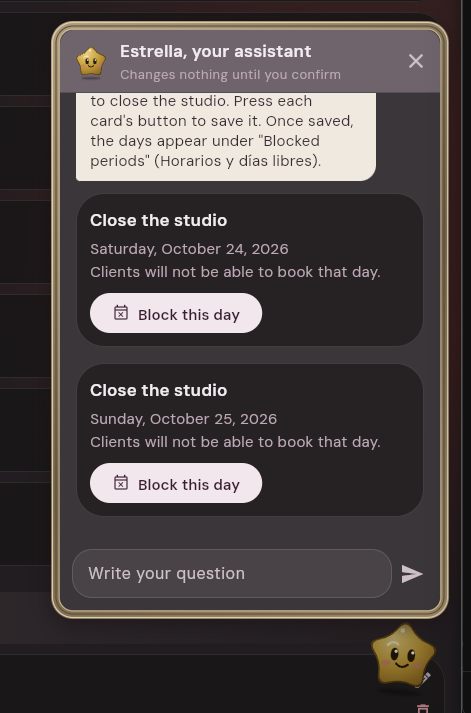
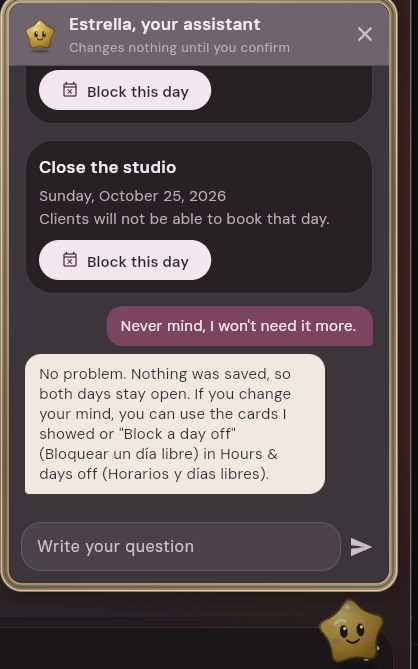
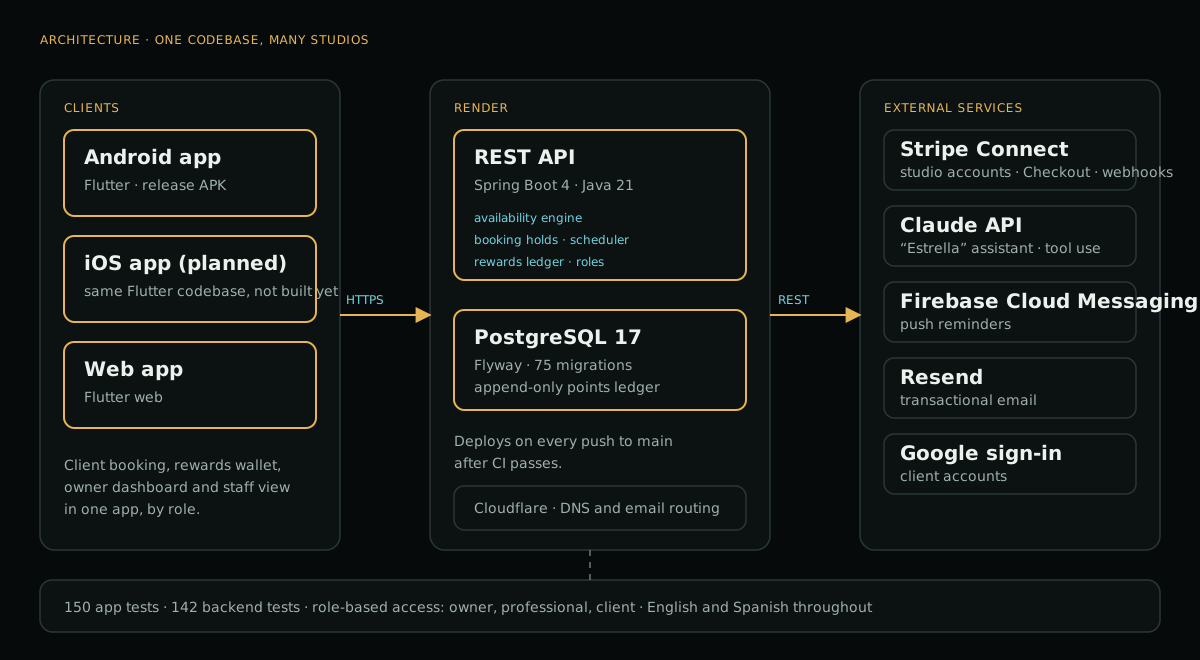
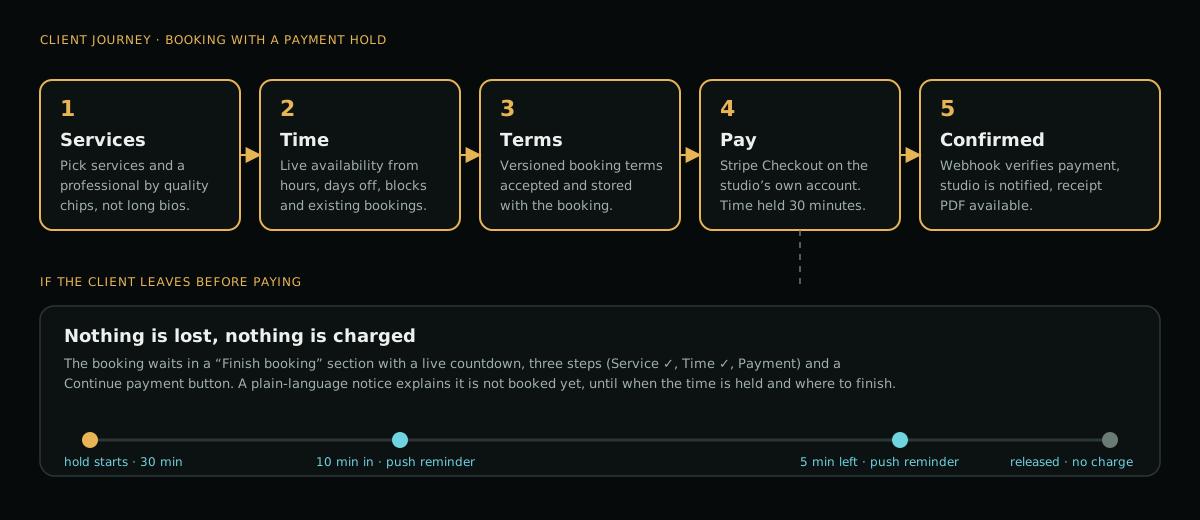
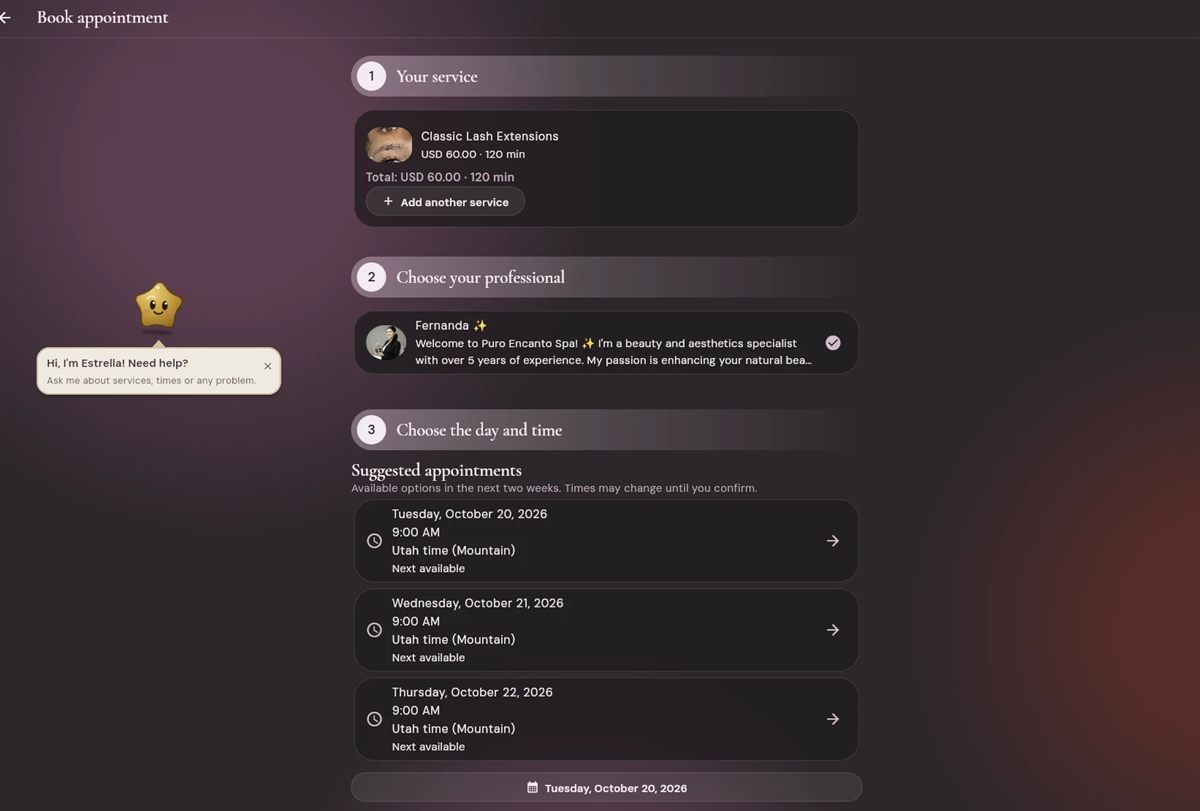
A booking platform for a beauty studio: clients choose services and a professional, pay online and keep a rewards balance; the owner and the professionals manage the calendar, payments and clients from the same app. It runs as a pilot with a real studio.
I defined the product, the business rules and the design, tested every flow by hand on a phone, and directed the implementation. The code was written with AI coding assistance (Claude Code) under my review, with automated tests alongside. Hardware work on this site is mine end to end; this project shows how I direct and verify software.
Studios lose time and money to phone and message bookings, no-shows and unclear policies. A booking tool has to be exact about three things: when someone is really free, when money has really arrived, and what the client was told.
150 Dart files and 82 Java files; 75 database migrations; 150 app tests and 142 backend tests, with formatting enforced in CI; about 150 commits.
Flutter · Dart · Spring Boot 4 · Java 21 · PostgreSQL 17 · Flyway · Stripe Connect · Claude API · Firebase Cloud Messaging · Resend · Render · Cloudflare
Shipping a product with a real user changes what matters: clear error states, honest copy and boring reliability beat extra features.
Requirements, constraints, budget — and what it has to survive.
Architecture, schematic, layout and software structure.
Boards, firmware and app working together on the bench.
Measure, stress and fix — documented results, not guesses.
Firmware builds, app releases and documentation.

Electronic Engineer · Founder
For more than ten years I’ve diagnosed the electrical and electronic systems of modern vehicles — networks, ADAS, batteries, hybrid and high-voltage — tracing faults where most people stop. Arias Technology Labs is where I bring that discipline to my own work: software and apps, embedded firmware, and the electronics they run on.